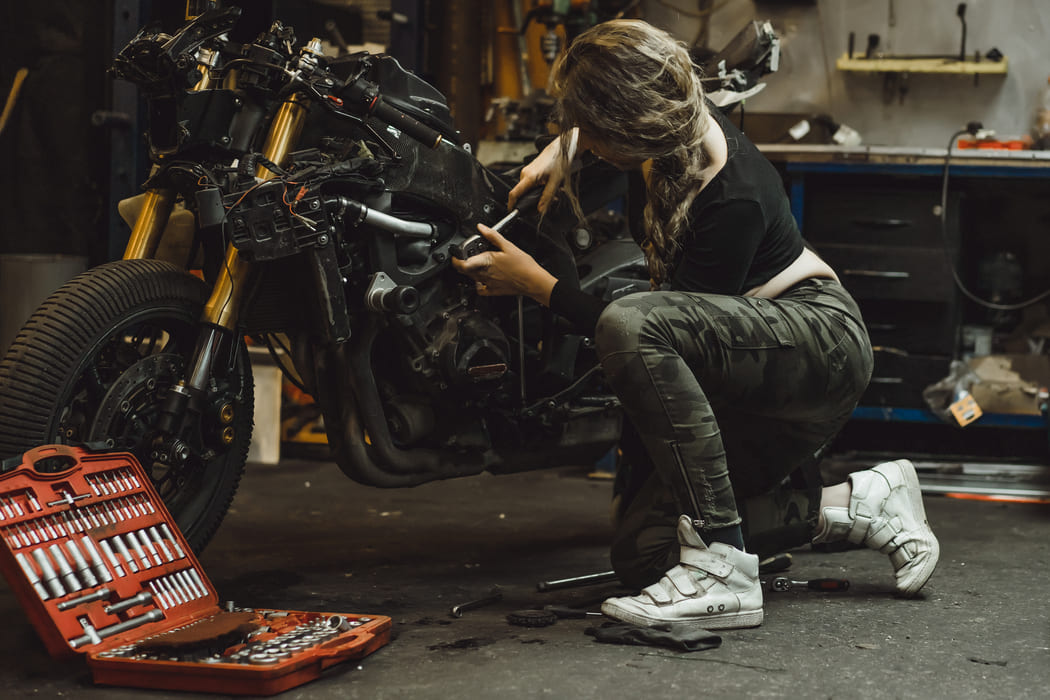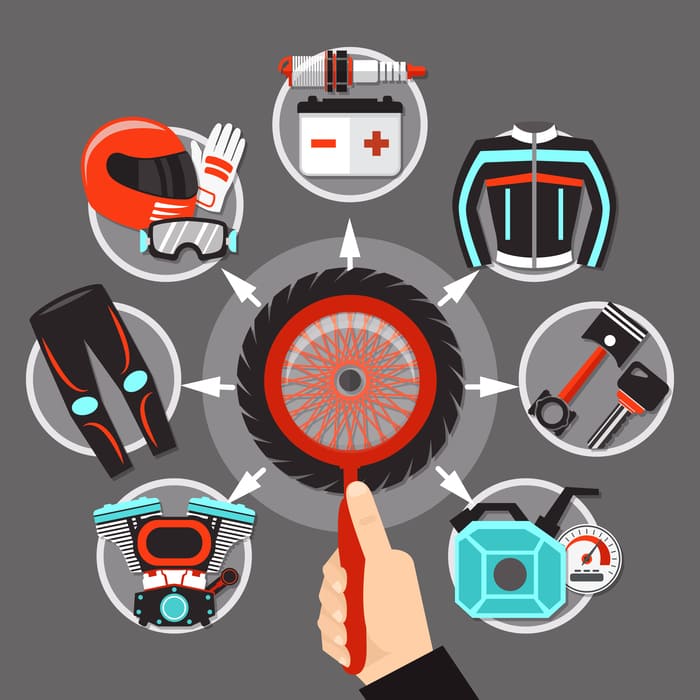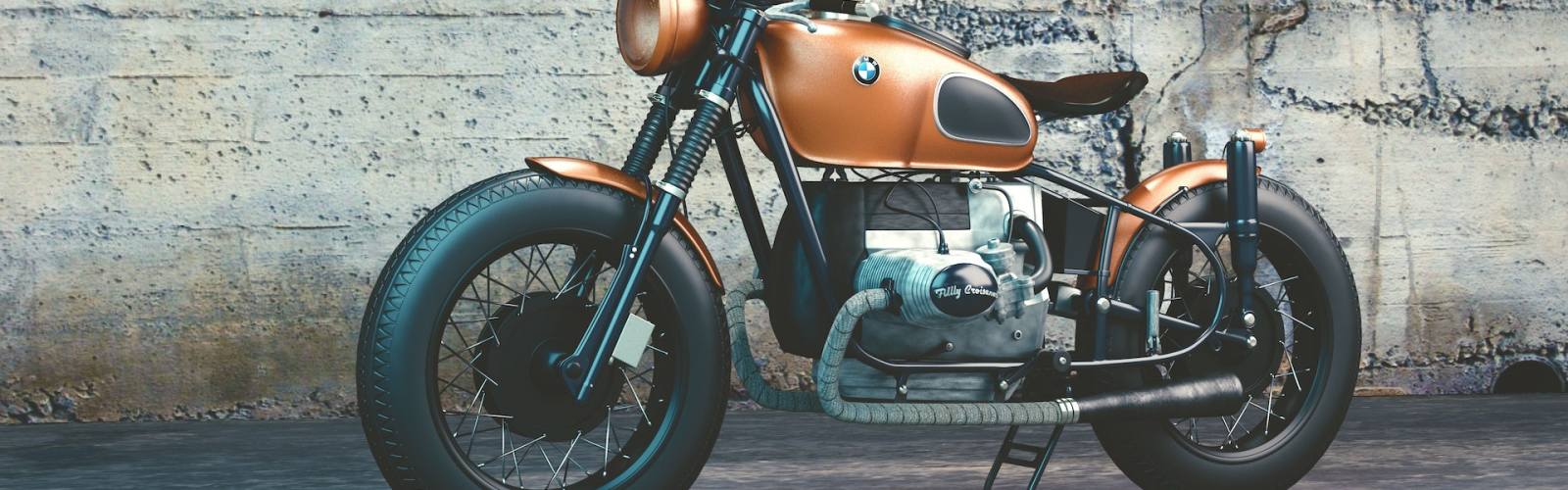

Good motorcycle maintenance is the difference between a bike that starts on the first push of the button and one that leaves you stranded on a back road with a dead battery. You do not need a workshop full of tools or a mechanic's certificate to keep a machine healthy. You need a routine, a little patience, and the willingness to look closely at the same handful of parts every week. Riders who build that habit early tend to spend far less on repairs and a lot more time actually riding.
This guide walks through a practical maintenance rhythm that works whether you ride a small commuter, a touring bike, or your first beginner motorcycle. None of it is complicated. Most of it takes minutes.
Why a regular motorcycle maintenance routine pays off
A motorcycle exposes almost everything to the road. The chain, brakes, tyres, and electrics all sit out in the open, taking heat, rain, and grit on every trip. A car hides most of that behind panels. Your bike does not, which is why small problems show themselves quickly if you bother to look.
The upside is that catching a worn brake pad or a slack chain costs a few dollars and ten minutes. Ignoring it can cost an engine, a gearbox, or worse. Treating maintenance as a short weekly check rather than an annual panic keeps the bills small and the surprises rare.
The weekly checks that matter most
Start with the tyres. Press a gauge to each valve and compare the reading against the figure printed in your handbook or on the swingarm sticker. Underinflated rubber wears fast and ruins handling. While you are down there, run your eyes over the tread for nails, cracks, or uneven wear.
Next, the chain. A drive chain needs two things, correct tension and clean lubrication. Spin the rear wheel, look for tight spots, and check that the slack matches the manufacturer's range. A dry, rusty chain robs power and wears the sprockets. A quick wipe and a fresh coat of chain lube after a wet ride goes a long way. The basic mechanics of the motorcycle have not changed much in decades, and the chain remains one of the few parts that genuinely rewards weekly attention.
Then the brakes. Squeeze the front lever and press the rear pedal. Both should feel firm, not spongy. Glance at the pad thickness and the fluid level in the reservoir window. Brakes give plenty of warning before they fail, but only if you look.
Fluids, lights, and the things people forget
Engine oil is the cheapest insurance you will ever buy. Check the level with the bike upright, top up if needed, and change it on the schedule in your manual rather than when you remember. Coolant, if your bike has it, deserves an occasional glance too.
Lights and signals take thirty seconds and save you from both accidents and tickets. Flick through the indicators, the brake light, and the horn before a longer ride. Cables and levers benefit from a drop of lubricant now and then so they move smoothly in cold weather.
One detail that trips up owners of imported machines is paperwork. Service manuals and parts diagrams for many Japanese and European bikes arrive in the original language, and a mistranslated torque figure or fluid spec can do real damage. Manufacturers selling abroad lean on professional translation for exactly this reason, and it is worth understanding what companies forget to translate before going global when you are hunting for a reliable manual for your model.
Building good habits as a new rider
If you are still getting comfortable on two wheels, fold these checks into a routine you will actually keep. Many riders use a simple pre-ride glance, often remembered with the letters T-CLOCS, covering tyres, controls, lights, oil, chassis, and stands. It sounds formal, but after a few weeks it becomes second nature and takes barely a minute.
The community side helps too. Forums like the r/motorcycles community are full of riders comparing notes on what fails, what lasts, and which cheap fixes are worth it. Reading other people's mistakes is a painless way to avoid your own.
When to hand it to a professional
Plenty of motorcycle maintenance is within reach of a careful owner, but some jobs are not. Valve clearances, fork seals, and anything involving the fuel injection or electronics are usually better left to a shop with the right tools and data. Knowing your limits is part of good maintenance, not a failure of it. A sensible split is to handle the weekly checks yourself and book the bigger services on schedule.
Stick with the rhythm and the rewards show up fast. A well kept bike holds its value, returns better fuel economy, and simply feels sharper to ride. More than that, regular motorcycle maintenance buys peace of mind, the quiet confidence that when you turn the key, the machine will answer. That is worth far more than the few minutes it asks of you each week.