Understanding how your motorcycle works isn’t just for mechanics—every rider benefits from knowing the key components that keep their bike safe, fast, and reliable. When you recognize what each part does and how it interacts with the whole machine, you spot problems earlier, make better upgrade decisions, and ride with more confidence on every trip.
1. Engine: The Heart of Your Bike
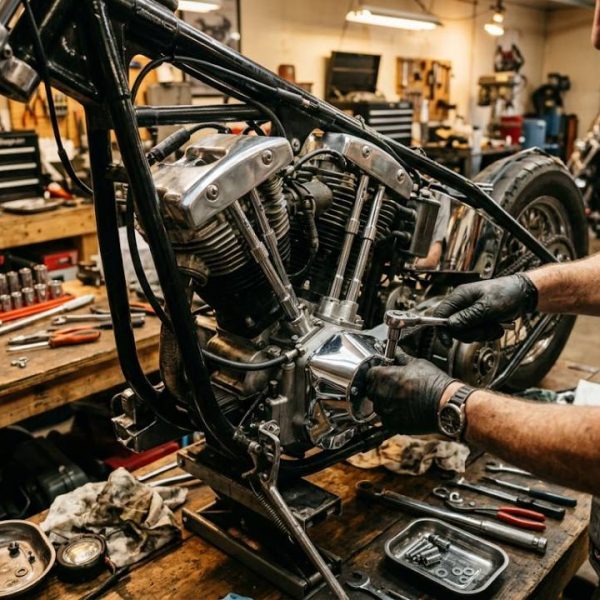
The engine converts fuel into forward motion and defines much of your motorcycle’s character. Most bikes use single-cylinder, twin, triple, or four-cylinder engines, each with its own balance of power, smoothness, and fuel economy.
Key things to understand:
- Displacement (cc) – Affects power and torque; bigger usually means stronger acceleration but more fuel use.
- Cooling type – Air-cooled, oil-cooled, or liquid-cooled, which impacts performance and maintenance needs.
- Fuel delivery – Carburetor vs. fuel injection; fuel injection offers better efficiency and smoother throttle response.
Regular oil changes, correct fuel, and keeping an eye on leaks or unusual noises will help you catch issues before they turn into costly repairs.
2. Transmission and Clutch: Managing Power
Power from the engine reaches the rear wheel through the clutch and gearbox. The clutch lets you smoothly engage or disengage the engine from the transmission, while the gearbox changes ratios so you can accelerate, cruise, or climb hills efficiently.
Riders should understand:
- Clutch feel – A smooth engagement point and consistent resistance are signs of a healthy system.
- Gear shifting – False neutrals, clunky shifts, or slipping can indicate wear or adjustment issues.
- Final drive – Chain, belt, or shaft drive each have different maintenance needs and riding characteristics.
If you also run a small workshop, tour business, or do side jobs maintaining bikes, having a quick way to create professional invoices helps you stay organized. A tool like the free pdf invoice generator can streamline your paperwork while you focus on the mechanical work and customer experience.
3. Braking System: Your Primary Safety Net
Brakes are the most critical safety feature on any motorcycle. Modern bikes typically use hydraulic disc brakes, with one or more discs at the front and often a single disc at the rear.
Focus on:
- Brake pads – Worn pads reduce stopping power and can damage rotors if ignored.
- Rotors (discs) – Warped or deeply grooved rotors affect braking smoothness and distance.
- Brake fluid – Absorbs moisture over time, which reduces braking efficiency; it needs periodic replacement.
- ABS (Anti-lock Braking System) – Helps prevent wheel lock-up in hard braking, especially useful on wet or loose surfaces.
Learning how your front and rear brakes balance stopping power lets you brake more efficiently and safely in real-world riding.
4. Suspension: Comfort, Control, and Traction
Suspension keeps your tires in contact with the road and helps absorb bumps. The front fork and rear shock (or shocks) work together to stabilize your motorcycle under acceleration, braking, and cornering.
Important concepts include:
- Preload – Adjusts how much the springs compress under weight; key for setting your bike up for solo or two-up riding.
- Compression and rebound damping – Control how fast the suspension compresses and returns after a bump.
- Sag – The amount the suspension settles under your weight; correctly set sag improves handling and comfort.
Even basic understanding lets you adjust your bike to suit your weight, luggage, and riding style, dramatically improving confidence and control.
5. Wheels and Tires: Your Only Contact with the Road
Tires determine how your bike grips, turns, and brakes. Wheel construction—spoked or cast—also affects strength and repairability.
Riders should always monitor:
- Tread depth – Worn tread increases the risk of slipping, especially in wet conditions.
- Tire pressure – Incorrect pressure harms handling, tire life, and fuel economy.
- Tire type – Sport, touring, dual-sport, and off-road tires each suit different surfaces and riding styles.
- Wheel condition – Dents, cracks, or loose spokes can lead to instability or failure.
A quick pre-ride check of pressure and visible damage is one of the simplest ways to enhance your overall safety.
6. Frame and Chassis: The Backbone of Stability
The frame holds everything together—engine, suspension, wheels, and rider. Its design heavily influences how a motorcycle handles and feels on the road.
Points to understand:
- Material – Steel, aluminum, or alloy frames each balance strength, weight, and cost.
- Geometry – Rake, trail, and wheelbase affect stability and agility; sport bikes and cruisers have very different setups.
- Mounting points – Where the engine, subframe, and suspension attach influences strength and vibration.
Knowing your bike’s frame type helps when choosing luggage systems, crash protection, or performance upgrades.
7. Electrical System: Powering Ignition, Lights, and Electronics
Modern motorcycles rely heavily on their electrical systems, from ignition and fuel injection to lighting, ABS, and rider aids.
Core components you should recognize:
- Battery – Provides power to start the engine and run accessories; weak batteries cause hard starts and electronic glitches.
- Stator/alternator – Charges the battery while riding.
- Fuses and relays – Protect circuits and control power to major systems.
- Lighting and indicators – Essential for visibility and signaling to other road users.
Even basic skills—like checking fuses, recognizing warning lights, and testing the battery—help you diagnose many common problems on your own.
8. Controls and Ergonomics: Connecting Rider and Machine
Handlebars, levers, foot controls, and the seat make up the rider interface. Proper setup improves comfort, precision, and endurance.
You should be comfortable adjusting or inspecting:
- Throttle, clutch, and brake levers – Reach and free play affect control and fatigue.
- Foot pegs and pedals – Positioning can change comfort, cornering clearance, and ease of shifting or braking.
- Seat height and shape – Influences confidence at stops and comfort on longer rides.
Fine-tuning these touch points creates a more natural connection with your motorcycle, making every ride smoother and safer.
Conclusion: Knowledge Builds Confidence and Safety
The more you understand the major parts of your motorcycle, the better equipped you are to maintain it, detect issues early, and ride with confidence. From engine and brakes to suspension, tires, and electrics, each component plays a specific role in performance and safety.
Investing a little time learning how these systems work pays off in lower maintenance costs, better handling, and more enjoyable miles. Whether you’re commuting, touring, or carving twisty roads, mastery of your machine begins with understanding its essential parts.