Riding a motorcycle is thrilling, but it demands respect and preparation. New riders who choose proper gear and build safe habits from day one enjoy more miles with fewer scares. This guide covers the essentials that help beginners stay protected and confident on every trip.
Choose a Helmet That Fits
A helmet should feel snug without pressure points. Try several models, shake your head gently and check that it does not move. Look for recognized safety approval, and replace it after any serious impact or after several years of use.
Wear a Proper Jacket
Ordinary clothes offer almost no protection on asphalt. A jacket with armor at the shoulders, elbows and back, made from abrasion resistant material, can reduce injuries. Bright colors or reflective panels also help others notice you.
Do Not Forget Gloves
Hands are the first thing riders put out in a fall. Choose gloves with reinforced palms and knuckle protection. They should fit well so you can still feel the controls and operate levers comfortably.
Pick Sturdy Boots and Trousers
Ankles and knees take a lot of force in a slide. Motorcycle boots that cover the ankle and trousers with armor or protective lining are worth the cost. Avoid trainers and thin jeans.
Take a Training Course
A good rider course teaches braking, cornering and hazard awareness in a controlled place. Instructors correct habits before they become dangerous. Many regions also offer licensing benefits for course graduates.
Learn From Official Safety Guidance
Government agencies share data and advice on common crashes. The NHTSA motorcycle safety page explains topics such as helmet use, impairment and visibility in simple language.
Inspect Your Bike Before Every Ride
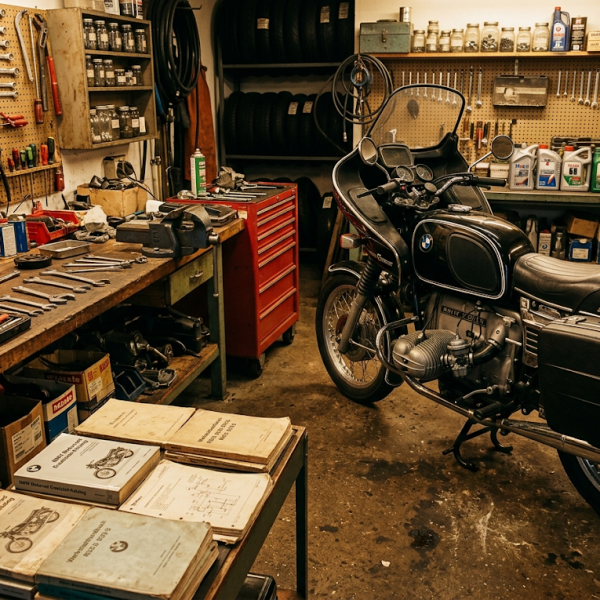
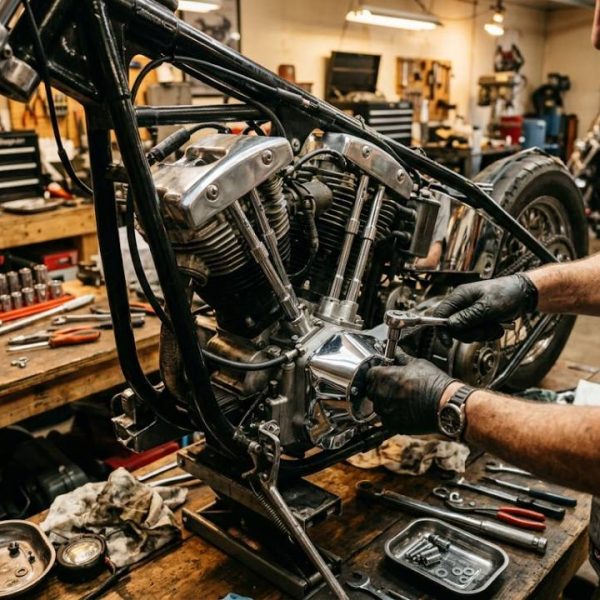
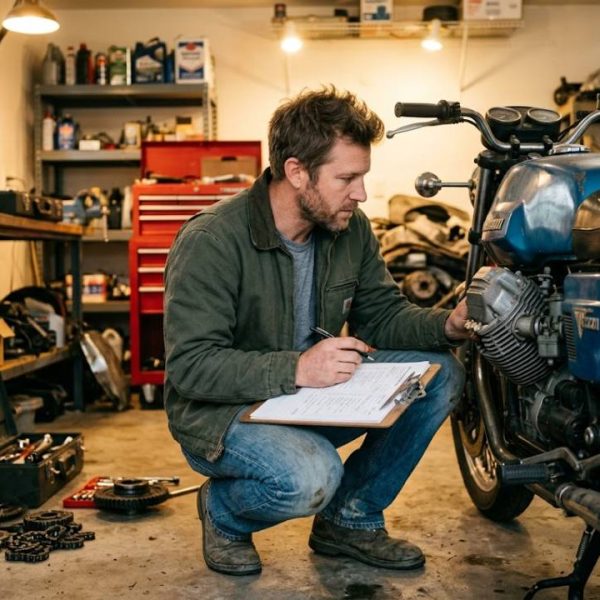
Spend two minutes checking tires, lights, brakes, chain and fluids. A quick walk around spots loose parts and low pressure. Regular checks prevent breakdowns and give you confidence before you set off.
Start With a Suitable Motorcycle
A lighter bike with moderate power is easier to control and forgive mistakes. Make sure your feet reach the ground comfortably. Upgrade after you have built skill, not before.
Ride Defensively
Assume other drivers may not see you. Keep a safe distance, cover your brakes near junctions and watch for turning cars. Position yourself in the lane where you are most visible.
Master Smooth Braking
Use both brakes together and apply pressure gradually. Practice in an empty car park so the movement becomes automatic. Smooth control keeps the bike stable and shortens stopping distance.
Respect Weather and Road Surfaces
Rain, gravel, leaves and painted lines reduce grip. Slow down, avoid sudden moves and leave extra space. If conditions look too risky, delay your trip. There is always another day to ride.
Plan Long Trips Carefully
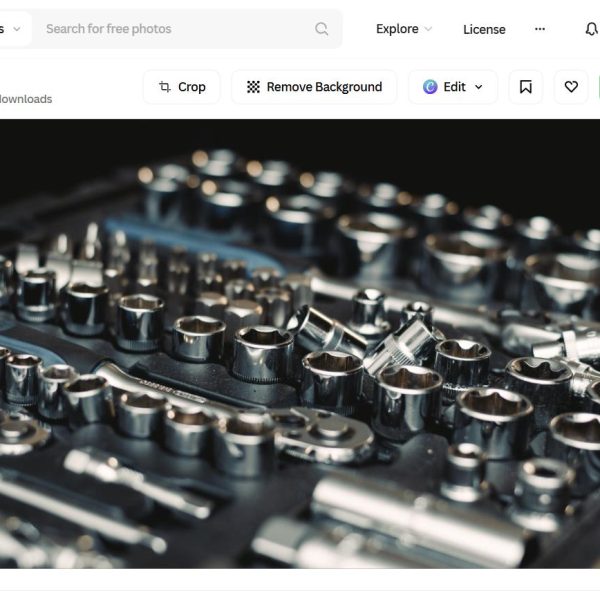
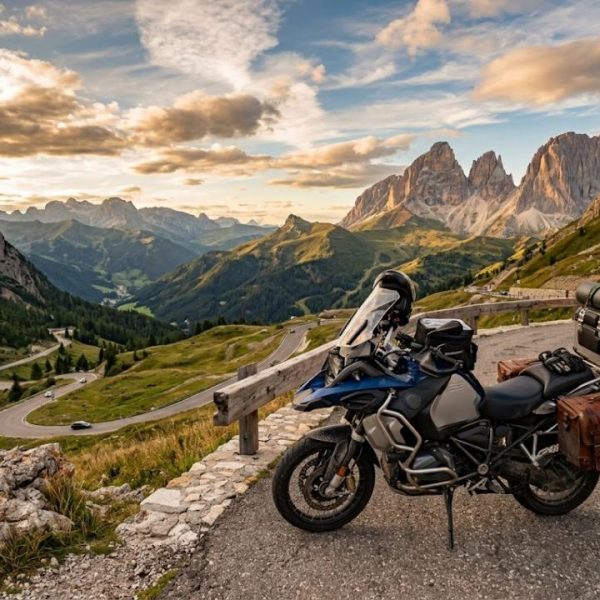
Check your route, fuel stops and rest points. Take breaks every couple of hours, drink water and pack a basic tool kit. Tired riders make poor decisions, so keep your trips realistic.
Prepare Paperwork for Cross Border Rides
Riders who buy or sell bikes abroad, or tour through several countries, often need translated registration papers and contracts. Services such as english to bulgarian translation help ensure documents are accepted at borders and offices.
Understand Legal Authority Documents
If someone else collects or registers a vehicle on your behalf, you may need a signed authorization. Reading about power of attorney translation helps you prepare the paperwork correctly for foreign authorities.
Ride Sober and Alert
Alcohol and some medicines slow reactions. Plan your trip so you never ride after drinking, and take a break if you feel sleepy. A clear mind is the strongest safety tool you own.
Join a Local Riding Group
Experienced riders share tips, recommend routes and notice bad habits. Group rides also teach formation and signals. A friendly club makes the learning curve more fun.
Keep Your Bike Maintained
Follow the service schedule, change oil on time and replace worn tires. Good maintenance protects both your safety and your investment. Keep a small log of repairs and costs.
Use Smart Parking and Security
Park in well lit places and use a strong lock. Cover the bike or use a garage when possible. Theft prevention saves money and avoids stressful surprises.
Build Skill Gradually
Increase distance and difficulty step by step. Practice slow speed turns, emergency stops and gear changes. Confidence grows with experience and mistakes become smaller.
Enjoy the Ride
Riding offers freedom, focus and beautiful views. Stay patient, keep learning and treat every trip as practice. Safe habits make the experience better for everyone.
Carry a Small Emergency Kit
A compact kit with a puncture repair set, a torch, a phone charger and a basic first aid pack can turn a bad moment into a minor delay. Store it under the seat and check it every season.
Stay Visible at Night
Reflective stickers, bright lights and light colored clothing help drivers spot you after dark. Slow down on unlit roads and keep your visor clean to see clearly.
Final Thoughts
Safe riding comes from good equipment, steady practice and a calm attitude. Invest in protection, keep learning and respect the road. With these habits, every ride becomes more enjoyable and far more secure.