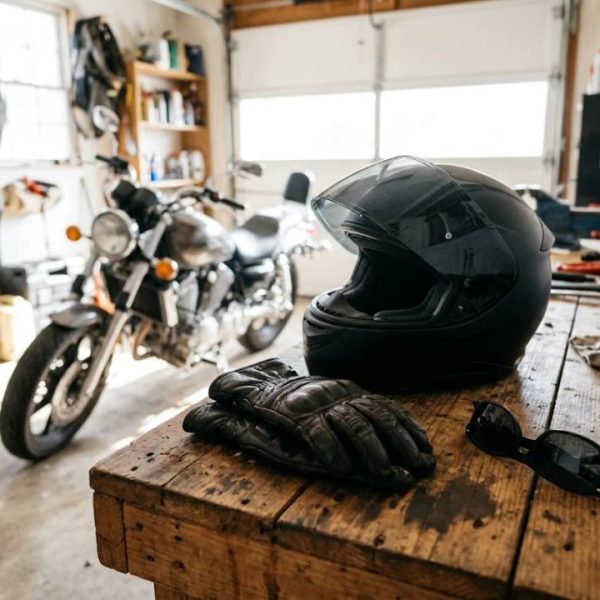
A motorcycle helmet is the single most important piece of gear you will ever buy. It is also the one that people most often choose badly, usually because of the color, the price or a quick look in the mirror. A helmet that does not fit properly cannot protect you properly, no matter how expensive it is. A little time spent on size and shape pays off every time you ride.
Why Fit Matters More Than Price
In a crash, a helmet has to stay exactly where it is. If it is too loose, it can shift or even come off. If it is too tight, it causes pressure points and headaches that make you want to take it off on long rides. A good fit feels snug all around the head, with no gaps and no sharp pressure.
The right helmet is not the most expensive one. It is the one that fits your head shape and stays put when you shake your head. Many mid priced models fit better than premium ones simply because their shape suits your skull.
Measure Your Head the Right Way
Use a soft tape measure and wrap it around the widest part of your head, about an inch above your eyebrows. Write down the number in centimeters and compare it with the size chart of the brand you are considering. Sizes vary between manufacturers, so treat the chart as a starting point and not as a promise.
Also notice your head shape. Some riders have a rounder head and others a longer, more oval one. Brands design their interiors for one or the other, and the difference can be the line between comfort and misery.
Know the Main Helmet Types
Full face helmets cover the entire head and chin and offer the most protection. Modular helmets have a chin bar that flips up, which is convenient at stops. Open face helmets leave the face exposed, and half helmets cover only the top of the head, so they protect less. Adventure and off road styles add a peak and larger eye ports for dirt and sun.
Choose the type that matches how you ride. Commuters often like modular helmets for convenience, while sport riders usually prefer full face models for speed and stability.
Look for Recognized Safety Standards
Check the label inside the helmet for certification marks that apply in your country. Standards test impact absorption, strap strength and coverage. Avoid novelty helmets that look the part but carry no proper approval. Rider training groups such as the Motorcycle Safety Foundation publish clear advice on gear, training and safe riding habits for beginners and experienced riders alike.
Test the Fit in Person
Try helmets on in a shop whenever you can. Wear each one for at least ten minutes, because pressure points often appear only after a few minutes. With the strap fastened, shake your head from side to side and nod up and down. The helmet should not slide, and when you move it with your hands, your skin should move with it.
Check that the cheek pads touch your face gently and that you can still swallow comfortably. If you wear glasses, put them on before testing to make sure the frame does not press into your temples.
Check Visor, Ventilation and Noise
A scratched or foggy visor is a safety problem, because it limits what you can see. Look for a visor that opens and closes smoothly, offers a clear view and can be replaced easily. Good ventilation helps in summer, while a draft blocker keeps the cold out in winter. Noise is often overlooked, yet long rides at high volume cause fatigue, so listen for wind noise during the test.
Add Gloves and Eye Protection
A helmet is the start, not the end of your gear. Gloves with reinforced palms protect your hands, which instinctively reach out in a fall. Quality sunglasses or a tinted visor reduce glare, but make sure they fit comfortably under the helmet and do not press against the sides of your head. Choose lenses that block ultraviolet light and stay clear in changing weather.
Replace It on Schedule
Many manufacturers and safety groups suggest replacing a helmet about every five years, because the materials inside slowly age. Replace it immediately after any serious impact, even if it looks fine on the outside. Never buy a used helmet, since you cannot know its history.
Care and Cleaning
Wash the inner padding by hand with mild soap, and let it dry naturally. Clean the shell with water and a soft cloth, and avoid harsh chemicals that can weaken the material. Store the helmet in a cool, dry place away from direct sunlight and never hang it on a mirror or handlebar where it could fall.
Riding Abroad With Confidence
Motorbikes are a way of life in many countries, and Vietnam is one of the best known examples, with scooters filling the streets of every major city. Travelers who plan to rent or buy a bike there often rely on Vietnamese translation services to understand rental contracts, traffic rules and insurance papers before they hit the road.
You will also need the right paperwork to ride legally. This guide to driver's license translation explains when an official translation is needed and how to avoid problems at rental desks and border checks.