Good riding gear does more than look stylish. It protects your eyes, hands and head, and it keeps you comfortable on long rides. This guide explains how to choose motorcycle sunglasses and other essentials, with simple tips on fit, materials and care.
Why Eye Protection Matters
Wind, dust, insects and glare can distract you at high speed. Proper eyewear keeps your vision clear and your attention on the road.
Pick Sunglasses Made for Riding
Look for impact resistant lenses and a frame that stays in place. Regular fashion glasses may slip or break in an accident.
Choose the Right Lens Color
Gray lenses reduce glare without changing colors, while amber and brown improve contrast on cloudy days. Photochromic lenses adapt as light changes.
Check for UV Protection
Look for full protection against ultraviolet rays. Long rides in bright sun can tire and harm your eyes.
Polarized Lenses Reduce Glare
Polarization cuts reflections from wet roads and car windows. Some riders find it helpful, though it can make certain screens harder to read.
Fit Matters With a Helmet
Sunglasses must sit comfortably under your helmet without pressing on your temples. Try them together before you buy.
Consider Foam Padded Frames
Soft padding blocks wind and dust around the eyes. It also adds comfort on long highway stretches.
Choose a Safe Helmet First
A well fitting helmet is the most important piece of gear. Look for certified models and replace it after any serious impact.
Understand Helmet Types
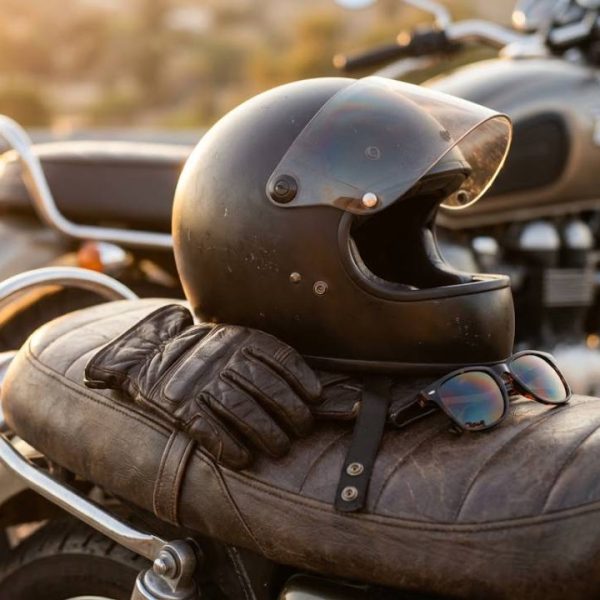
Full face helmets offer the most protection, while open face models give more airflow. Choose according to your riding style and local rules.
Pick Gloves With Good Grip
Gloves protect your hands in a fall and reduce vibration. Leather with reinforced palms and knuckles is a popular choice.
Wear Proper Jackets and Trousers
Abrasion resistant fabric and armor in shoulders, elbows and knees reduce injuries. Bright colors and reflective panels help others see you.
Do Not Forget Boots
Sturdy boots protect ankles and feet. Choose ones that cover the ankle and have non slip soles.
Dress for the Weather
Layers, rain suits and thermal gear keep you comfortable in changing conditions. Cold or wet riders lose concentration quickly.
Learn Safety Basics
Official agencies share practical advice for riders. The NHTSA motorcycle safety pages cover helmets, visibility and safe riding habits.
Care for Your Eyewear
Clean lenses with a soft cloth and water rather than dry wiping. Store glasses in a hard case to prevent scratches.
Replace Scratched Lenses
Deep scratches scatter light and cause glare at night. Replace damaged lenses to protect your vision.
Carry a Backup Pair
A clear or light tinted pair helps when you ride through tunnels or at dusk. Keep it in a pocket or tank bag.
Try Before You Buy
Fit, weight and comfort are personal. Visit a shop when you can, and wear each item as you would on a ride.
Read Honest Reviews
Look for feedback from riders with similar habits. Details about fit, fogging and durability are especially useful.
Shopping Across Borders
Riders often buy from shops in other countries. Clear product pages created with automotive translation services help customers understand sizes, materials and safety ratings.
Selling Gear Online
Shops that serve several markets need pages that sound natural in each language. Learn how e-commerce website translation supports product pages, checkout and customer trust.
Check Return Policies
Sizing can be tricky online. Make sure you can return or exchange gear if it does not fit.
Match Style to Your Bike
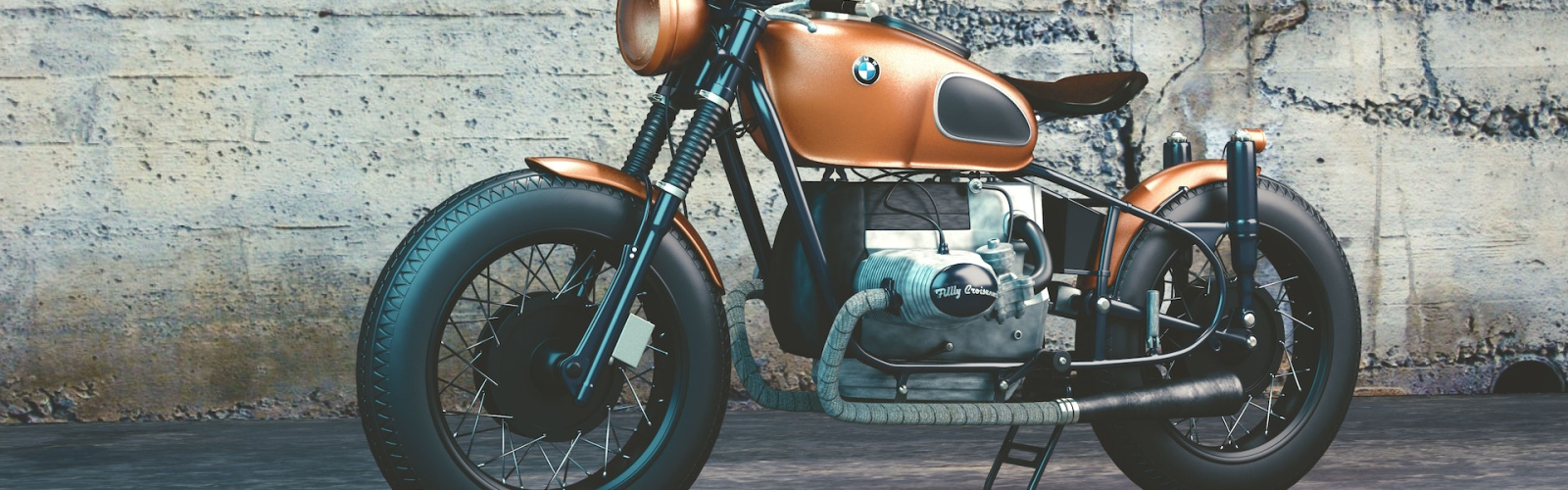
Classic bikes suit retro frames, while sport bikes pair with sleek wraparound styles. Style adds fun without losing safety.
Maintain Your Gear Regularly
Wash gloves and jackets as directed, and check stitching and straps. Worn gear may fail when you need it most.
Practice Safe Riding Habits
Good gear works best with good habits. Keep distance, scan the road and avoid riding when tired.
Prepare for Long Trips
Plan breaks every hour or two, bring water and check weather forecasts. Comfortable gear makes distance feel shorter.
Think About Visibility
Reflective strips and bright jackets help drivers notice you. Visibility is a simple safety upgrade at low cost.
Set a Reasonable Budget
You do not need the most expensive items, but avoid the cheapest for safety gear. Spend more on the helmet and boots.
Join Rider Communities
Clubs and forums share honest tips and group rides. Experienced riders can recommend trusted brands.
Keep Learning
Take a rider course even after years on the road. New skills and updated gear keep you safer and more confident.
Protect Against Wind Noise
Long exposure to wind noise causes fatigue. Earplugs made for riders reduce noise while still letting you hear traffic.
Check Fog Resistance
Anti fog coatings keep lenses clear in cold or humid weather. Good ventilation also helps.
Keep Spare Parts Handy
Small screws and a cleaning cloth fit in a tank bag. Simple fixes can save a ride.
Final Thoughts
The right gear makes every ride safer and more enjoyable. Start with a certified helmet, add good sunglasses and gloves, and keep everything in good condition. Comfortable riders concentrate better, and that is the best protection of all.