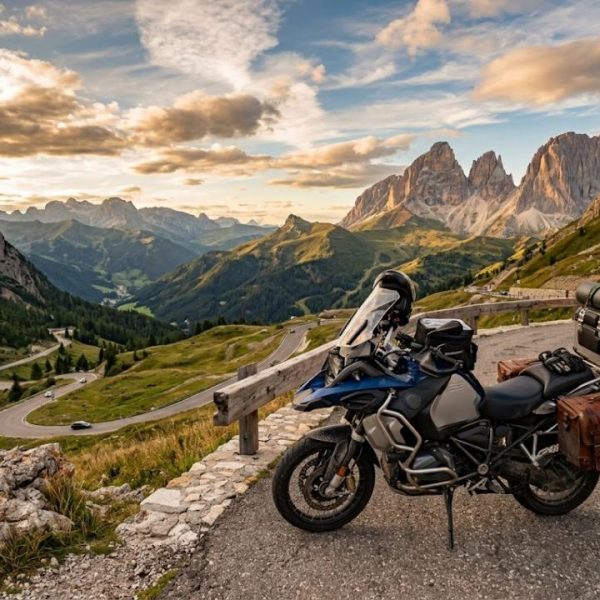
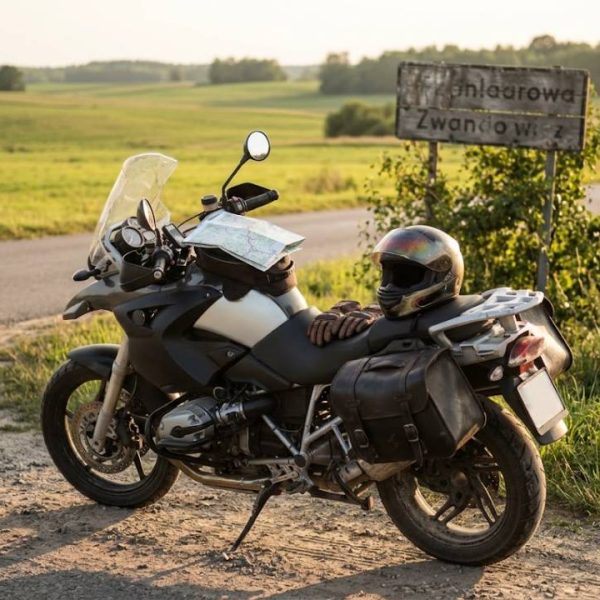
A motorcycle trip through Poland feels simple on a map. You pick a route, pack the saddlebags, and ride. The surprises usually come at a fuel station counter, a border post, or a repair shop where nobody shares your language. Good preparation starts with paperwork, not with gear.
Poland has become one of the favourite destinations for riders from Western Europe. The roads are quiet, the villages are friendly, and prices are fair. Still, a few details can turn a relaxed holiday into a long afternoon of phone calls.
Why riders keep choosing Poland
The Masurian lakes, the Tatra foothills and the Baltic coast all sit within a few days of each other. Smooth asphalt runs through forests and farmland, and traffic outside the big cities is light. Many local campsites and guesthouses welcome bikers with covered parking and a hot meal.
That welcome is easier to enjoy when you can read what is in front of you. Menus, road signs, parking rules and rental contracts are often written in Polish only.
Manuals, parts and service notes
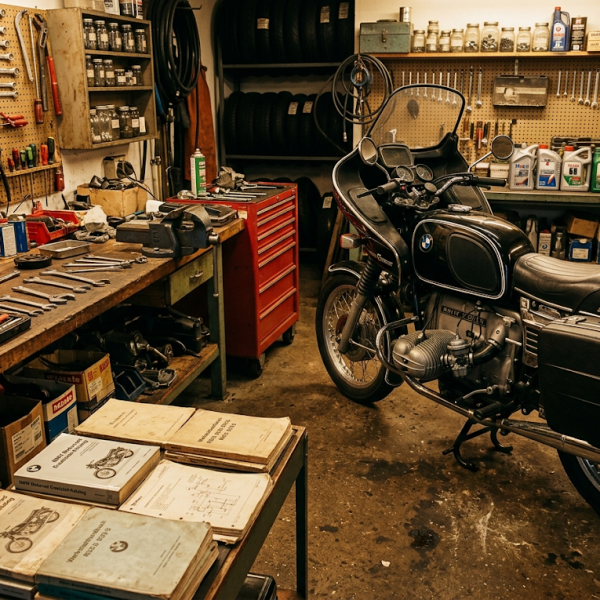
Riders who buy a second-hand bike or spare parts locally often receive a handbook in Polish. Torque values, oil grades and service intervals matter, and a wrong guess can cost an engine. A short, accurate translation of the key pages is cheaper than a repair.
For anything beyond a few lines, a specialist agency is safer than a phone app. Professional Polish translation services keep technical terms consistent, so "chain tension" never turns into something vague.
Documents to carry at the border
Every rider should keep a small folder, ideally both on paper and on a phone. Inside it belong the following items:
- Driving licence and, if your licence is old or non-EU, an international permit.
- Vehicle registration papers and proof of ownership.
- Insurance certificate with the green card or equivalent cover.
- Passport or ID, plus any visa or residence document.
Most checks are quick. A friendly officer will glance at the papers and wave you on. Trouble starts when a document is in an unusual format or a language the officer does not read.
Insurance claims and roadside repairs
A fall on gravel or a parking scrape can happen to anyone. After an incident, the insurer will ask for a written statement, a repair estimate and sometimes a police note. If those papers are in Polish, your home insurer will want them in English or German.
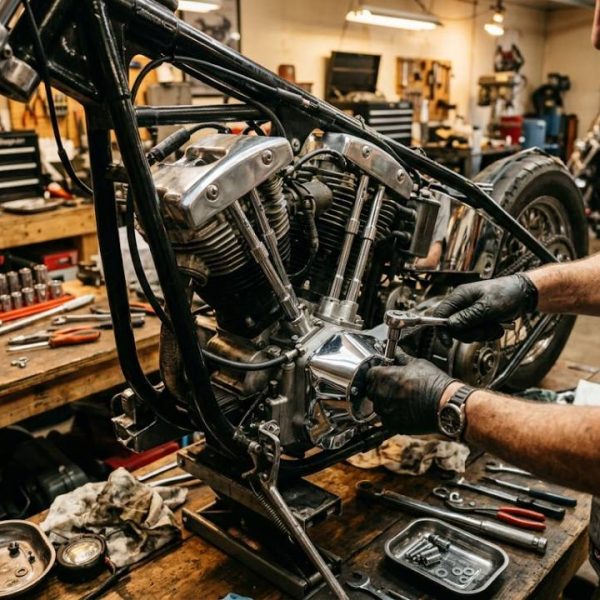
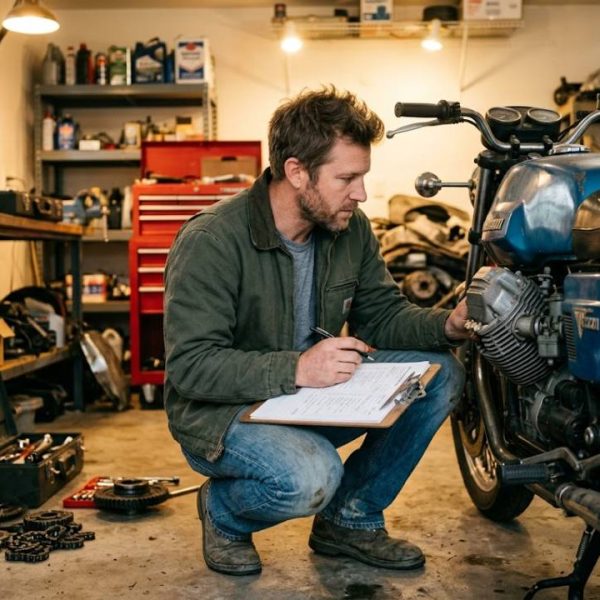
Ask the workshop for a written estimate before any work begins. Keep every receipt. A translated estimate makes the claim much faster, because the adjuster can read each line without guessing.
When a trip becomes a move
Some riders fall in love with a country and never go back. A summer tour turns into a job offer, a relocation, and a pile of official forms. Moving between Poland and Britain, for example, usually means translated records for every office involved.
If that sounds familiar, it helps to read about certified translation for UK visa applications long before you hand over the first form. Offices reject files for small errors, and a rejection can delay a start date by weeks.
Small phrases that earn big goodwill
You do not need fluent Polish. Learning ten phrases changes the mood of every stop. "Dzień dobry" for good morning, "dziękuję" for thank you, and "poproszę" for "please give me" will carry you through most counters.
Write the address of each hotel in Polish before you leave. If the signal drops, you can show the note to a local and get pointed in the right direction in seconds.
Weather, fuel and rest stops
Summer storms roll in fast across the plains, so a waterproof layer should always sit near the top of the bag. Fuel stations on main roads accept cards, but small village pumps may want cash. Plan a stop every 150 kilometres and use it to stretch, drink water and check the route.
Official travel guidance is worth a look before departure. The UK government travel advice for Poland lists entry rules, driving notes and health information in clear language.
A simple packing checklist
Before the engine starts, run through a short list. Copies of all papers go in a waterproof sleeve. A charged power bank keeps your phone alive for maps and translation apps. A tyre repair kit, a spare key and a printed list of emergency numbers cost almost nothing and save a whole day.
Finally, tell someone at home your route and your rough daily stops. It takes two minutes and gives everyone peace of mind.
Ride light, travel prepared
The best trips are the ones where nothing dramatic happens. Spend an evening on paperwork, learn a few phrases, and know where to find a professional if a document needs to cross a language barrier. Then open the throttle and enjoy the road.