Walk into a motorcycle dealership and the choice can feel overwhelming. Sport bikes, cruisers, tourers, adventure machines and scooters all promise freedom, yet each delivers it in a different way. The right bike is not the fastest or the most expensive. It is the one that fits how, where and why you ride.
Start With Your Riding Style
Before you look at models, picture a typical ride. Do you commute through city traffic, cruise along coastal roads or tackle gravel tracks at weekends? Your answer narrows the field quickly.
Be honest about experience. A powerful sport bike is thrilling in skilled hands but unforgiving for a beginner. The best first motorcycle is one that builds confidence, not one that tests it.
Cruisers
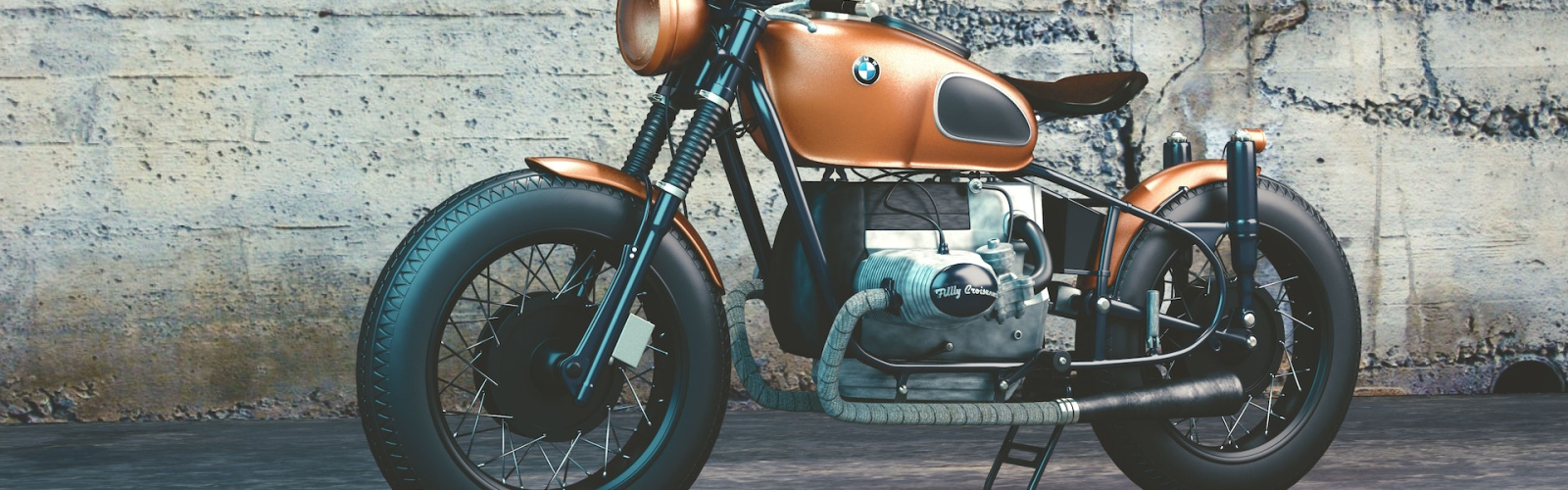
Cruisers have a low seat, relaxed riding position and a deep engine sound. They suit relaxed rides and short trips, and their low center of gravity helps new riders feel stable. Weight can be an issue at low speed, so practice maneuvering in parking lots.
Comfort is a main attraction. Many cruisers have wide seats and forward footpegs, but long highway rides may expose wind and limited cornering clearance.
Sport Bikes
Sport bikes focus on speed, handling and braking. Their riding position is leaned forward, which is thrilling on twisty roads but tiring in traffic. Insurance costs are often higher, and maintenance can be more demanding.
Riders who love track days or spirited mountain rides find this type unbeatable. Choose a smaller engine size first, and build up skills with a qualified instructor.
Touring and Adventure Bikes
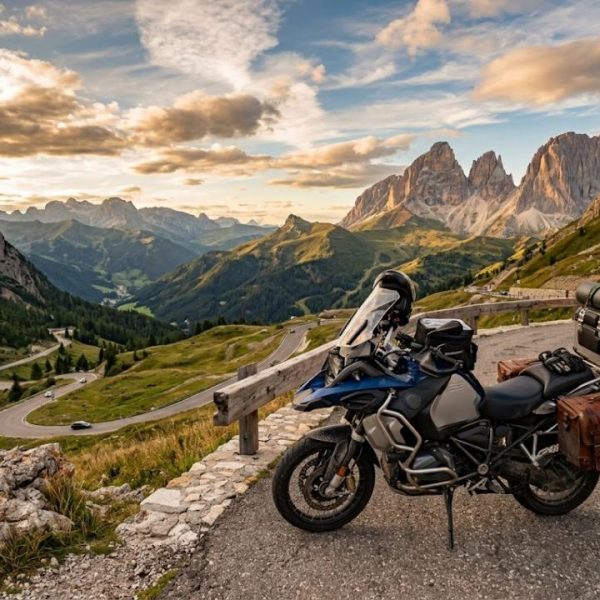
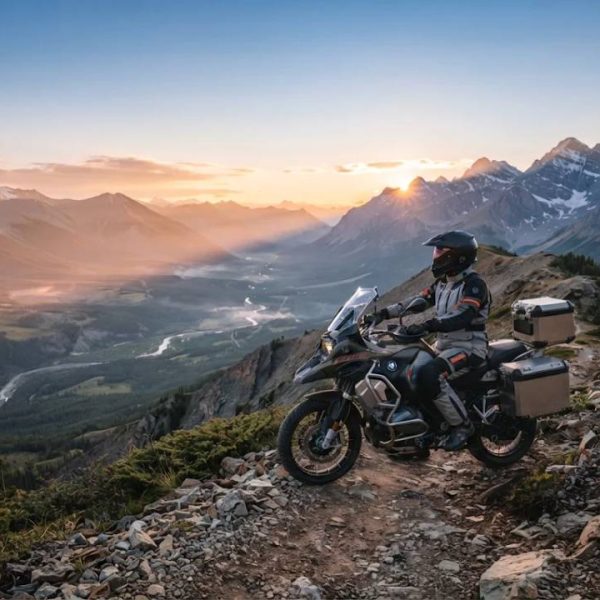
Touring bikes are built for long distances, with comfortable seats, wind protection and luggage space. Adventure bikes add long suspension and rugged tires, which suit mixed roads and light off road trails.
Both types are heavy, yet they offer great versatility. They are popular with riders who plan multi country trips and want one machine that handles almost everything.
Scooters and Commuter Bikes
In busy cities, small scooters and lightweight commuters are practical, economical and easy to park. They use little fuel, require simple maintenance and are ideal for short daily trips.
Many riders start here and move to larger bikes later. A good commuter is also a fine second machine for those who already own a big touring motorcycle.
Reading Manuals and Specifications
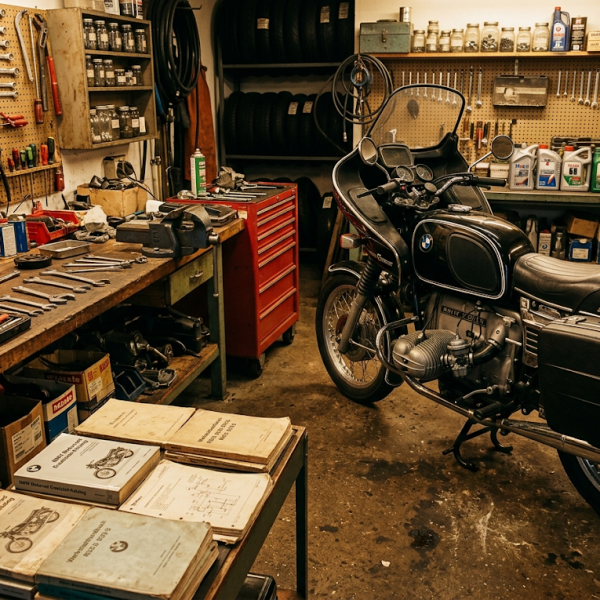
Many popular bikes are designed in Italy, Japan or Germany, and their manuals may reach you in another language. Specifications, torque values and safety warnings must be exact, because a wrong figure can lead to damage or injury.
Importers and workshops often rely on technical translations english to italian to prepare service guides and parts catalogs for local mechanics, which keeps repairs consistent and safe.
Why Technical Language Needs Specialists
Motorcycle documents combine engineering terms, safety notes and legal text. Translators must understand the vocabulary and the logic of the machine. Careless wording can cause confusion in the workshop.
This overview of technical document translation services describes how specialists handle manuals, diagrams and specifications.
Safety First
Take a recognized rider training course before buying a bike. Good training teaches braking, cornering and hazard awareness, and many insurers offer discounts. The Motorcycle Safety Foundation provides courses, tips and resources that help riders of every level build safer habits.
Always wear a certified helmet, gloves, a jacket with armor and sturdy boots. Protective gear costs far less than a hospital stay.
Test Rides and Ownership Costs
Try several bikes before buying. Check how the seat height feels, whether you can reach the ground and how the controls respond. A short ride tells you more than a long spec sheet.
Add up ownership costs beyond the purchase price. Insurance, registration, fuel, tires, servicing and gear all matter. A realistic budget keeps the hobby enjoyable.
Final Thoughts
Choosing a motorcycle is a personal decision. Match the bike to your skills, your routes and your budget, and ask experienced riders for advice. With the right machine and good training, every ride becomes safer, calmer and far more fun.
Maintenance Habits That Pay Off
Regular checks of tire pressure, oil level, chain tension and brake pads take only a few minutes and prevent most roadside problems. Keep a simple log of services so you notice patterns early. Store the bike in a dry place and charge the battery during winter breaks.
A well kept motorcycle is safer, holds its value and gives you a reliable partner on every road trip.
Weather and Seasonal Riding
Seasons change how you ride. In cold weather, tires lose grip and hands tire quickly, so heated grips and layered clothing help. In heavy rain, smooth inputs and extra following distance are vital. In summer, ventilated gear and frequent water stops keep you alert and comfortable.
Check the forecast before every ride, and have a plan for sudden weather changes. Knowing when to stop is as important as knowing how to ride.
Joining the Riding Community
Local clubs and online groups are a great source of advice, group rides and friendships. Experienced members can recommend trusted mechanics and routes, and they often share honest reviews of models you are considering. Start with a friendly, beginner welcoming group and enjoy the ride.